I invented and created, together with other colleagues, Rotaie Verdi (“Green rail-tracks”). The project is a feasibility study implemented by the Municipality of Milano, WWF Italy and ELIANTE, under funding by CARIPLO Bank Foundation.
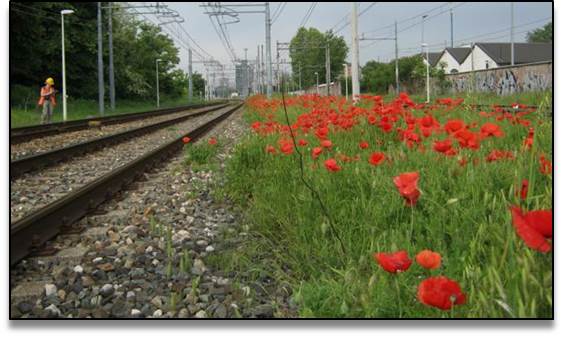
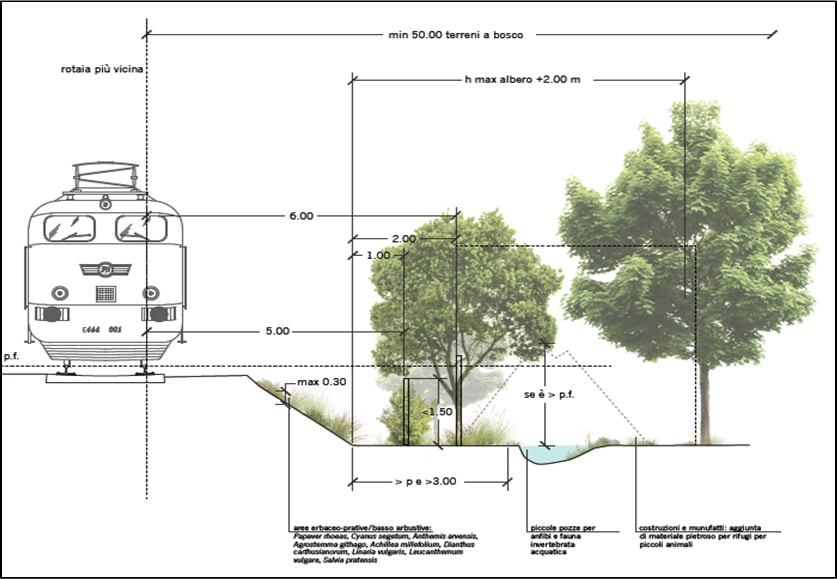
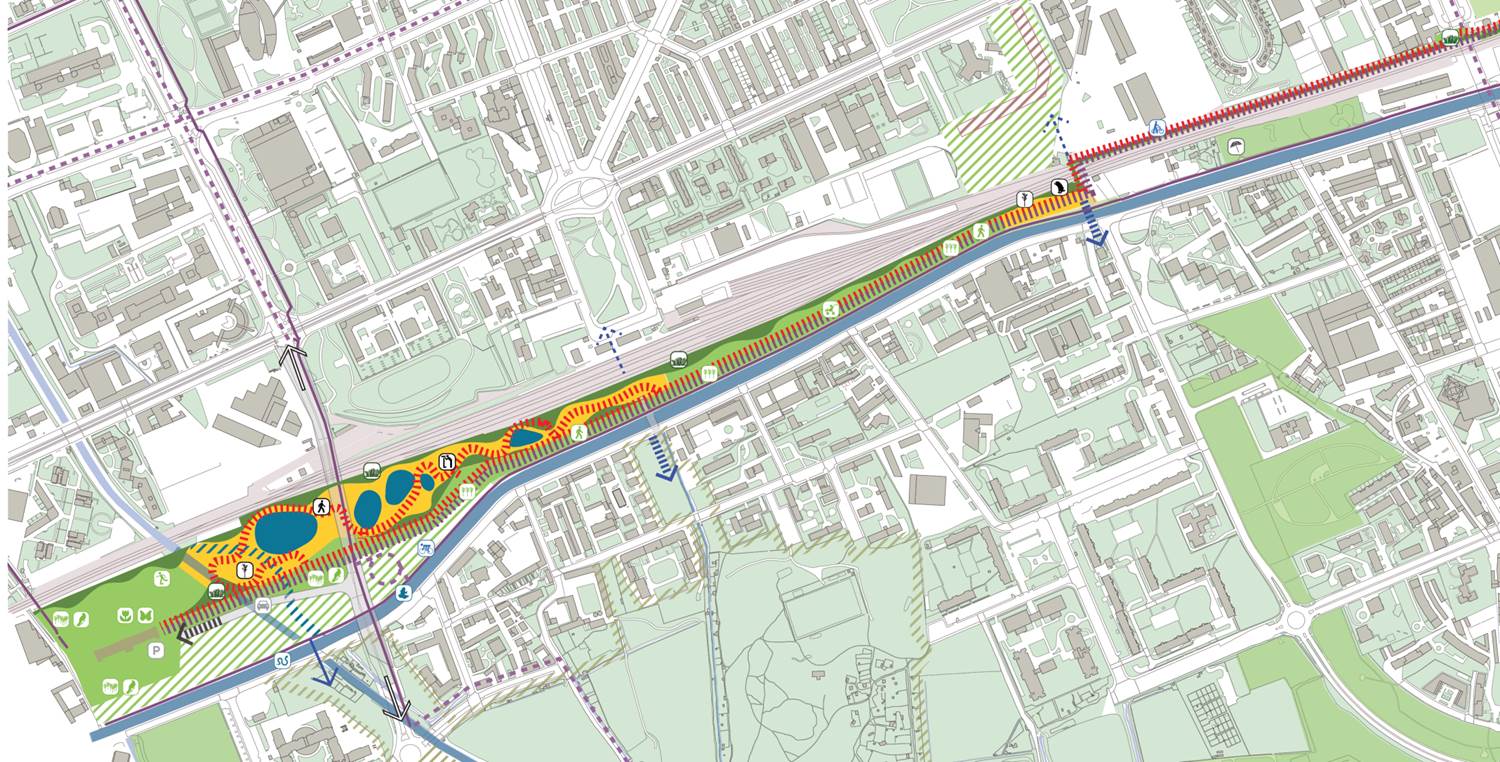
The work designed an ecological urban network on dismantled rail-yards (stepping stones), along buffer zones of operating tracks (corridors), and through green areas connecting them to the a regional Park south of Milan. The final vision forecasts a more natural network of public green urban spaces where biodiversity lives and moves, making urban natural habitats more viable and able to survive a status of genetic bottleneck
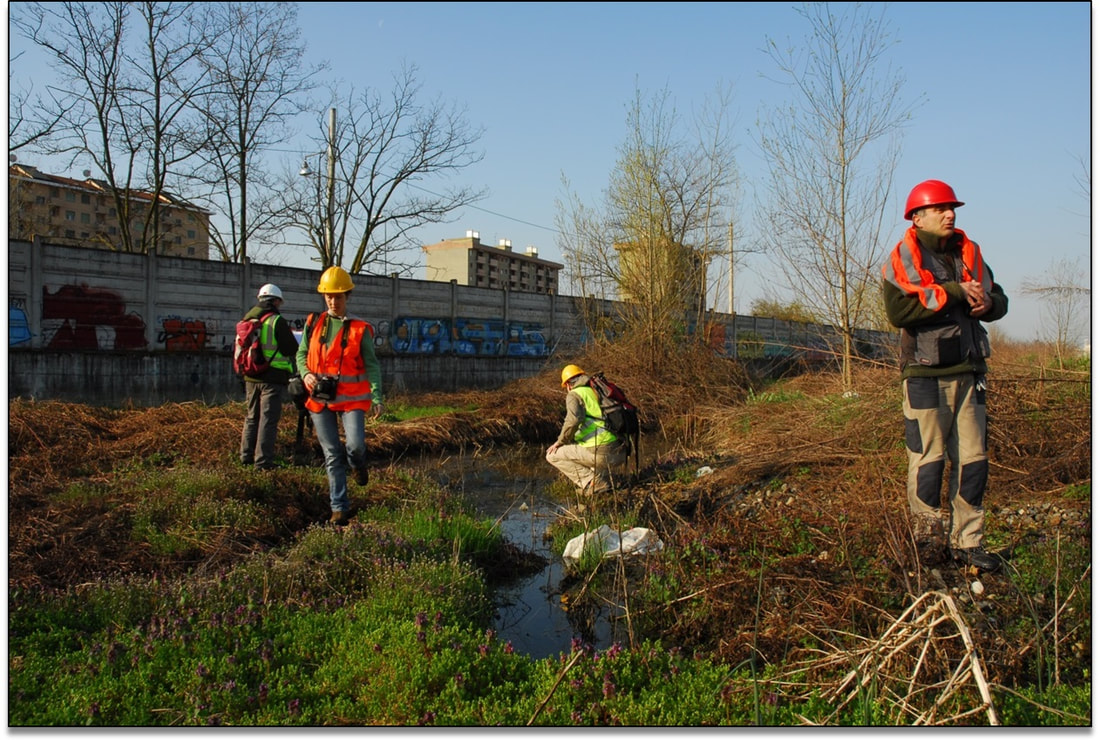
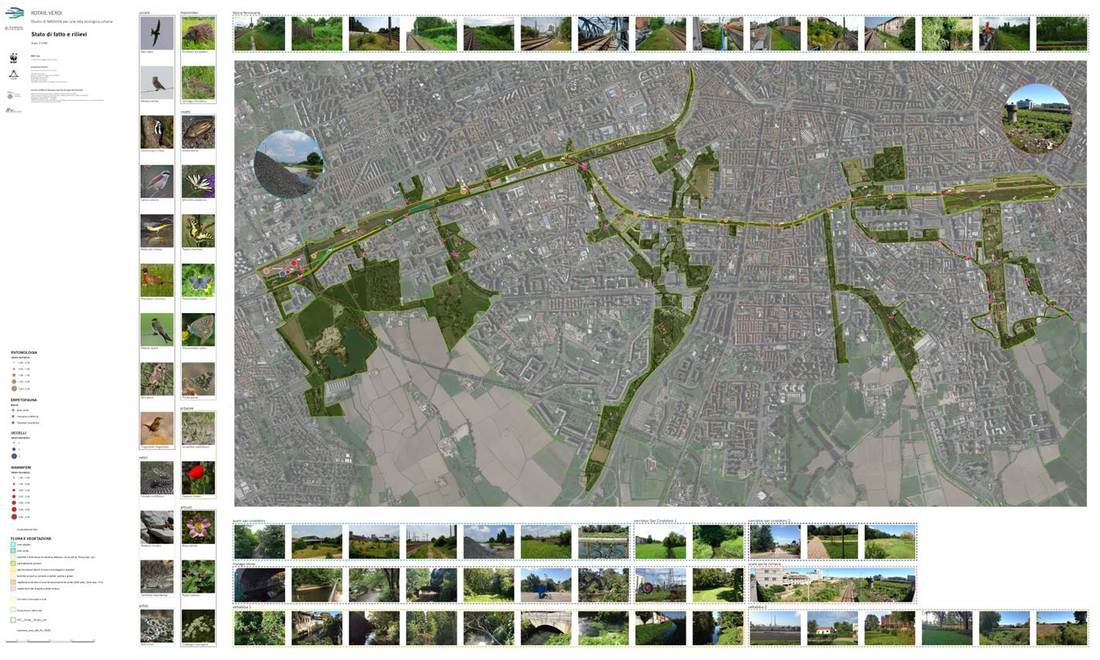
Field surveys were implemented, in order to detect species richness and/or abundance of taxa: surveys were carried out on vascular plants, invertebrates (Carabidae, Stafilinidae, Araneae, Rhoplaocera), Amphibians, Reptiles, Birds and Mammals. Plants, Herptofauna and butterflies were detected during transects/walks in the study areas (yards and railway tracks); Coleoptera were sampled by pitfall traps birds by point counts and mammals by photo-trapping.
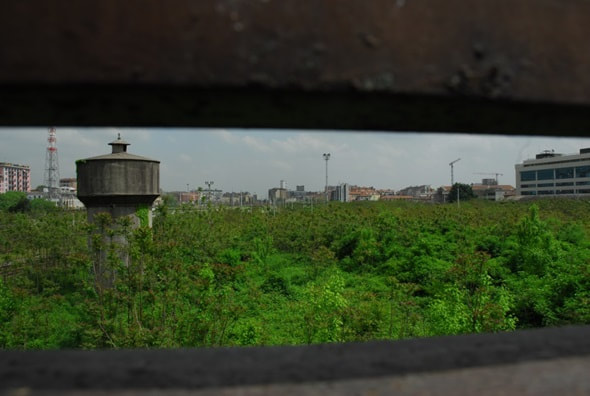
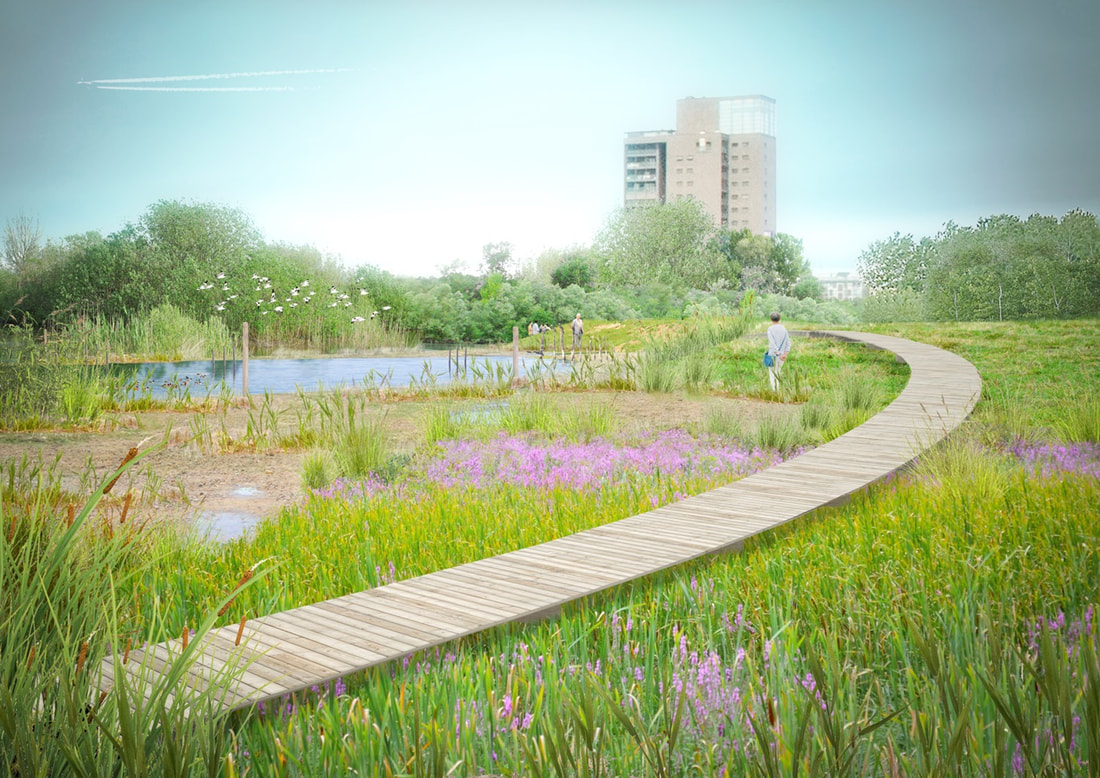
The study provided a functional design of public spaces and foot & bike routes, a simulation of ecological permeability and possible accommodations for natural oases and green spaces designed in abandoned yards, in railway strips, and the relative rough cost estimate. Side connections towards the southern countryside showed existing green spaces as elements to be re-naturalized as connecting corridors. The project proposes a detailed plan of urban wilderness oases, already implemented in other cities; guidelines for a natural management of green spaces offer opportunities to enhance ecosystem services in urban areas.
The whole project is a work in progress applying as a suggested guideline to public and private green areas maintenance contractors, real estate developers dealing for new detailed planning approval, public works contractors, rail workers, community gardens associations. It mainly works on existing open spaces, both green and brown fields waiting for reclaim. The feasibility study, placed in a sensitive political frame of a delicate public-private agreement between the Municipality of Milano and the State railway company, defined, with the return to the city of seven ex railyards, as the largest urbanistic transformation in Milano after WW2, has now generated the submission of an important European Community funded project (Horizon 2020), regarding the social value of nature based solutions in the cities, whose major partners are now the Municipality of London, Hamburg and Milano.